Exploring Obsession in Indie Horror Literature
Indie horror literature has emerged as a powerful force in the literary world, captivating readers with its unique blend of creativity, raw emotion, and psychological depth. One of the most compelling themes that often surfaces in these works is obsession. This blog post delves into how obsession manifests in indie horror literature, examining its impact on characters, plot development, and the overall reading experience.
The Nature of Obsession in Horror
Obsession is a complex emotion that can drive individuals to extreme behaviors. In horror literature, it often serves as a catalyst for conflict and tension. Characters consumed by obsession may find themselves spiraling into madness, leading to chilling consequences. This theme resonates deeply with readers, as it reflects the darker aspects of human nature.
Defining Obsession
Before diving into specific examples, it's essential to define what we mean by obsession. In the context of literature, obsession can be described as:
An overwhelming preoccupation with a person, idea, or object.
A driving force that leads characters to make irrational decisions.
A source of conflict that propels the narrative forward.
The Psychological Underpinnings
Obsession often stems from psychological issues such as anxiety, insecurity, or trauma. Characters grappling with these emotions may become fixated on a particular goal or person, leading to a descent into darkness. This psychological depth adds layers to the narrative, making it more engaging for readers.
Notable Indie Horror Works Featuring Obsession
Several indie horror authors have masterfully explored the theme of obsession in their works. Here are a few notable examples:
"The Cabin at the End of the World" by Paul Tremblay
In this gripping novel, a family vacationing in a remote cabin faces an unimaginable threat. The characters' obsessions with safety and survival lead to intense moral dilemmas. Tremblay skillfully portrays how obsession can distort reality, forcing characters to confront their deepest fears.
"The Last House on Needless Street" by Catriona Ward
Ward's novel presents a haunting exploration of obsession through the eyes of its unreliable narrator. The protagonist's fixation on a mysterious figure leads to a web of secrets and lies. This psychological thriller keeps readers on the edge of their seats, questioning the nature of truth and perception.
"Bird Box" by Josh Malerman
In "Bird Box," the characters' obsession with survival in a post-apocalyptic world drives them to extreme measures. The fear of the unknown becomes an obsession that shapes their actions and relationships. Malerman's portrayal of obsession highlights the lengths people will go to protect themselves and their loved ones.
The Role of Obsession in Character Development
Obsession is a powerful tool for character development in indie horror literature. It can reveal vulnerabilities, strengths, and moral complexities. Here’s how obsession shapes characters:
Creating Flawed Protagonists
Characters driven by obsession often possess flaws that make them relatable. Their struggles with inner demons resonate with readers, allowing for deeper emotional connections. For instance, a character obsessed with revenge may grapple with guilt and remorse, creating a multi-dimensional figure.
Driving Conflict
Obsession can serve as a primary source of conflict within the narrative. Characters may clash with others who do not share their fixation, leading to tension and drama. This conflict not only propels the plot but also highlights the consequences of unchecked obsession.
Transforming Characters
As the story unfolds, characters may undergo significant transformations due to their obsessions. This evolution can lead to tragic outcomes or moments of redemption. Readers are often left pondering the fine line between passion and madness.
The Impact of Obsession on Plot Development
Obsession can significantly influence the trajectory of a story. Here are some ways it shapes plot development:
Establishing Stakes
When characters are obsessed, the stakes become higher. Their fixation can lead to dangerous situations, creating suspense and tension. Readers are drawn into the narrative, eager to see how the characters navigate their obsessions.
Creating Twists and Turns
Obsession can introduce unexpected twists in the plot. Characters may make irrational decisions based on their fixations, leading to shocking revelations. These twists keep readers engaged and invested in the outcome.
Enhancing Themes
The theme of obsession often intertwines with other themes such as love, loss, and identity. This layering adds depth to the narrative, encouraging readers to reflect on the complexities of human emotions.
The Reader's Experience with Obsession
Indie horror literature invites readers to confront their own fears and obsessions. The exploration of these themes can evoke a range of emotions, from fear to empathy. Here’s how readers engage with the theme of obsession:
Evoking Empathy
Readers may find themselves empathizing with characters driven by obsession. Understanding their motivations and struggles can create a sense of connection, even if the characters' actions are morally ambiguous.
Challenging Perceptions
Indie horror literature often challenges readers' perceptions of reality. The portrayal of obsession can blur the lines between sanity and madness, prompting readers to question their own beliefs and values.
Leaving Lasting Impressions
Stories centered around obsession tend to leave a lasting impact on readers. The emotional weight of these narratives lingers long after the final page, prompting reflection on the nature of obsession in their own lives.
Conclusion
Obsession is a powerful theme in indie horror literature, serving as a driving force for character development, plot progression, and reader engagement. Through the lens of obsession, authors explore the complexities of human emotions, inviting readers to confront their own fears and desires. As indie horror continues to evolve, the exploration of obsession will undoubtedly remain a captivating aspect of this genre.
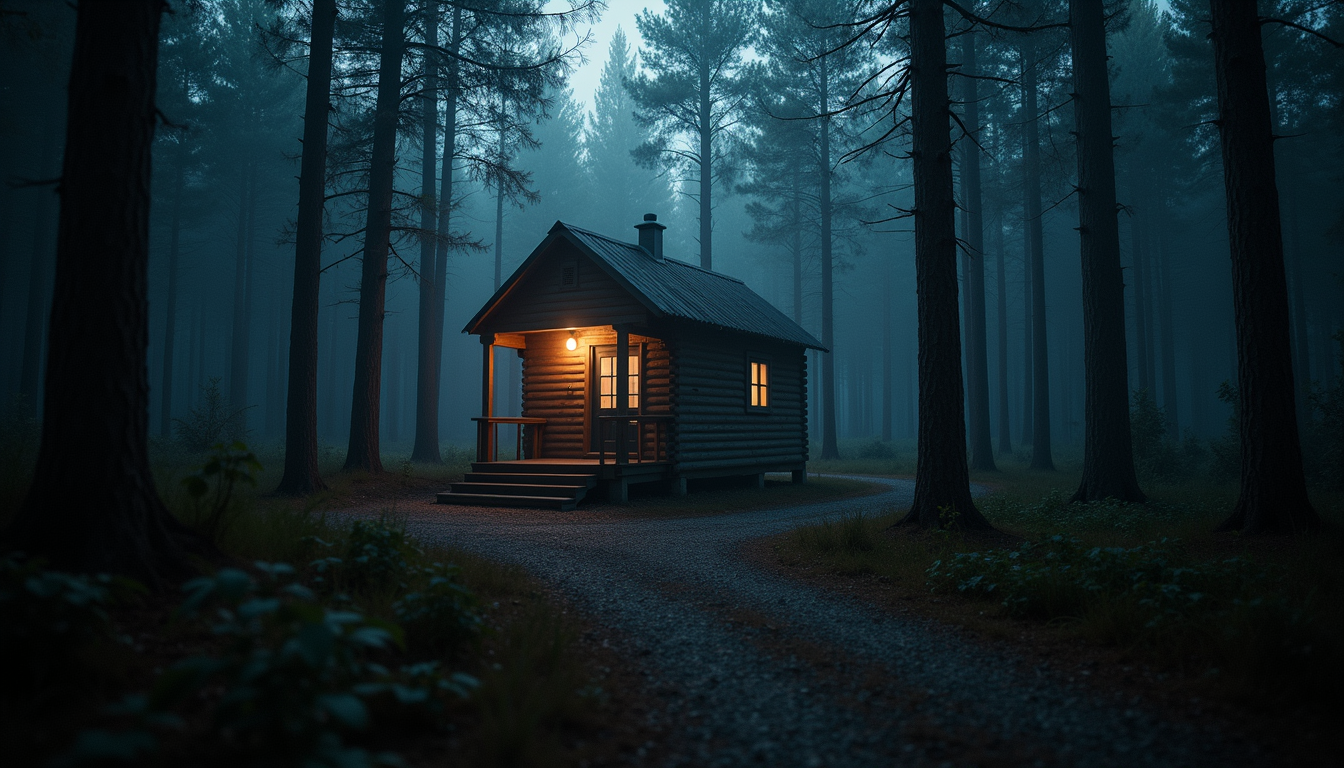
As you explore indie horror literature, consider how obsession shapes the narratives and characters within these stories. Whether you find yourself drawn to the psychological depth or the chilling consequences, the theme of obsession offers a rich tapestry of exploration for both readers and writers alike. Embrace the darkness and let it guide you through the captivating world of indie horror.