The Battle of Good and Evil in Horror Stories
Horror stories have a unique ability to tap into our deepest fears and anxieties. They often present a stark contrast between good and evil, creating a narrative tension that keeps readers on the edge of their seats. This battle is not just a backdrop; it serves as a critical framework for understanding the human experience. In this blog post, we will explore how horror stories depict this eternal struggle, the archetypes involved, and the psychological implications of these narratives.
Understanding the Good vs. Evil Dichotomy
The concept of good versus evil is a fundamental theme in literature, and horror stories are no exception. This dichotomy serves several purposes:
Moral Clarity: Readers often find comfort in knowing who the heroes and villains are. This clarity allows for a straightforward narrative that can be easily followed.
Emotional Engagement: The stakes are high in horror stories. The battle between good and evil evokes strong emotions, making readers more invested in the outcome.
Reflection of Society: Horror often mirrors societal fears and moral dilemmas, allowing readers to confront their own beliefs about good and evil.
The Archetypes of Good and Evil
In horror literature, characters often embody archetypal roles that represent good and evil. Understanding these archetypes can enhance our appreciation of the stories.
The Hero
The hero is typically characterized by bravery, morality, and a strong sense of justice. They often face overwhelming odds but are driven by a desire to protect others. Classic examples include:
Dracula: In Bram Stoker's novel, Jonathan Harker represents the hero who confronts the evil of Count Dracula.
Laurie Strode: In the "Halloween" series, Laurie embodies the resilient survivor who fights against the malevolent Michael Myers.
The Villain
The villain, on the other hand, is often depicted as a force of chaos and destruction. They may have complex motivations, but their actions typically stem from a desire to harm others. Notable villains include:
Freddy Krueger: From the "A Nightmare on Elm Street" series, Freddy represents a twisted version of vengeance and evil.
Pennywise: In Stephen King's "It," Pennywise the Clown embodies fear itself, preying on the vulnerabilities of children.
The Psychological Impact of Horror
The battle between good and evil in horror stories is not just a narrative device; it also has profound psychological implications. Engaging with horror can serve several functions:
Catharsis: Experiencing fear in a controlled environment allows readers to confront their anxieties and fears safely.
Exploration of Morality: Horror stories often challenge readers to consider what they would do in extreme situations, prompting reflection on their moral beliefs.
Understanding the Unknown: The evil in horror often represents the unknown, allowing readers to explore their fears about death, loss, and the supernatural.
The Evolution of Good and Evil in Horror
As society evolves, so too does the portrayal of good and evil in horror stories. Early horror often depicted clear-cut distinctions between heroes and villains. However, modern horror tends to blur these lines, presenting more complex characters and moral dilemmas.
Classic Horror vs. Modern Horror
Classic Horror
In classic horror literature, the battle between good and evil is often straightforward. The heroes are virtuous, while the villains are purely malevolent. For example:
Mary Shelley's "Frankenstein": Victor Frankenstein's creation is initially portrayed as a monster, but as the story unfolds, the reader sees the tragic circumstances that led to his actions.
Modern Horror
Modern horror often presents characters with ambiguous morals, challenging the traditional notions of good and evil. Examples include:
"The Silence of the Lambs": Hannibal Lecter is a brilliant but terrifying character who blurs the lines between good and evil, forcing readers to grapple with their own perceptions of morality.
"Get Out": This film explores social issues and the complexities of evil in a contemporary context, highlighting how societal structures can perpetuate harm.
The Role of Setting in the Battle of Good and Evil
The setting in horror stories often plays a crucial role in the battle between good and evil. Dark, isolated locations can amplify the sense of danger, while familiar settings can become unsettling when evil intrudes.
The Haunted House: A classic trope, the haunted house often serves as a battleground for good and evil. The house itself can be a character, representing the past and the evils that linger within.
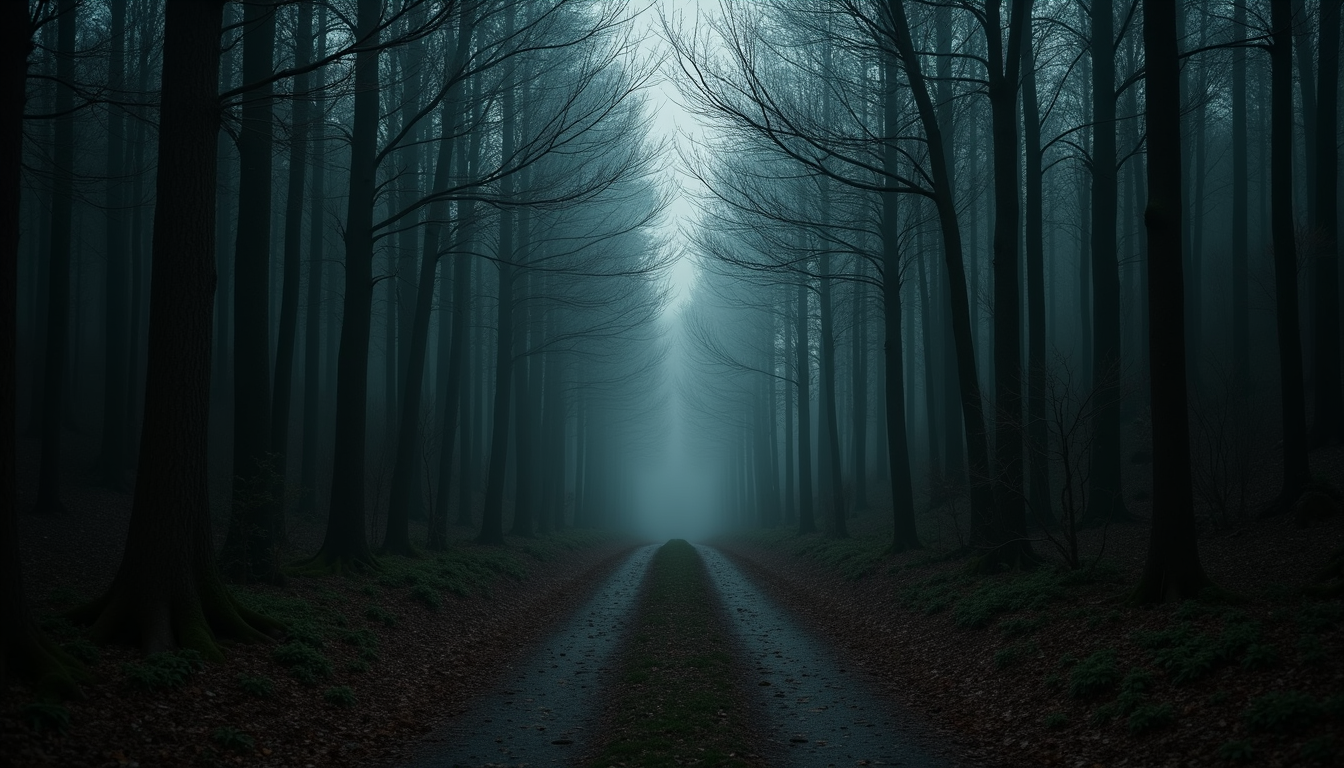
The Forest: Many horror stories utilize forests as settings where characters confront their fears. The dense trees and shadows create an atmosphere of uncertainty and danger.
The Cultural Significance of Good and Evil in Horror
Horror stories often reflect cultural fears and anxieties, making the battle between good and evil a mirror for societal issues.
Historical Context
Throughout history, horror has been used to address societal fears. For example:
The Witch Hunts: During the witch hunts of the 16th and 17th centuries, horror stories often depicted witches as embodiments of evil, reflecting societal fears about women and power.
The Cold War: Horror films from the Cold War era often featured monsters that represented the fear of the unknown, such as alien invaders or mutated creatures.
Contemporary Issues
In modern horror, the battle between good and evil often addresses contemporary issues, such as:
Racism and Social Injustice: Films like "Get Out" and "Us" explore the complexities of race and identity, presenting evil as a societal construct rather than an individual trait.
Mental Health: Many modern horror stories delve into the psychological struggles of characters, blurring the lines between sanity and madness.
Conclusion
The battle of good and evil in horror stories is a rich and complex theme that resonates deeply with readers. By examining the archetypes, psychological implications, and cultural significance of this struggle, we gain a deeper understanding of ourselves and the world around us. Horror stories challenge us to confront our fears, question our morals, and reflect on the nature of evil.
As you explore the world of horror, consider how these narratives shape your understanding of good and evil. What do they reveal about your own beliefs and fears? The next time you pick up a horror story, remember that the battle between good and evil is not just a plot device; it is a reflection of the human experience.